
The internet can transform an ordinary moment into something much larger than anyone expects. A striking facial expression from a video can become a meme, circulate across social media, and eventually appear in places far removed from its original context. That is essentially what happened with Niharika Rao, a Karnataka-based content creator whose expressive image became associated with a surprising trend across Bengaluru. Recent reports have highlighted how an image of Rao with unusually wide eyes began appearing on posters at construction sites, markets, and other locations.
The story is particularly interesting because it connects digital culture with a much older Indian tradition. The posters were reportedly being used as a modern version of a nazar battu or drishti gombe, objects traditionally associated with protecting places from the evil eye. Instead of the conventional frightening figures or symbolic objects often seen around construction sites, Rao’s memorable expression became an unexpected visual choice. This unusual development has brought renewed attention to the creator and demonstrates how unpredictable online fame can be.
Who Is Niharika Rao?
Niharika Rao is identified in recent reports as a YouTuber from Karnataka. Unlike celebrity creators whose entire careers are built around large-scale entertainment channels, her recent visibility has come from a particular visual moment that took on a life of its own online. Reports indicate that the expression associated with her viral image originated from a video that circulated around 2023. The image eventually became recognizable enough that people began using it independently of the original video.
That distinction is important when discussing Rao’s online presence. Being widely recognized through a viral image does not necessarily mean that every piece of information circulating about the person is accurate. There are multiple people with the name Niharika Rao online, including professionals and other creators, so public information should be handled carefully. Search results also show numerous YouTube profiles using the same or similar name, making it difficult to attribute unrelated statistics or biographical details to the Karnataka creator without reliable confirmation.
How Niharika Rao Became a Viral Internet Figure
The turning point in the story was an expressive moment captured on video. According to reports, Rao appeared with her eyes opened unusually wide, creating an instantly recognizable expression. Like many internet moments, the image was separated from its original context and became useful as a reaction image and meme. Its exaggerated appearance made it particularly suitable for humorous situations where surprise, fear, shock, or intense attention needed to be communicated visually.
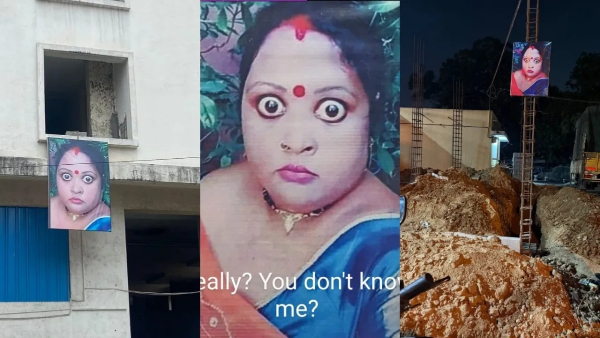
The evolution of the image shows how modern social media changes the meaning of content. A creator can upload a video for one purpose, while viewers discover an entirely different use for a particular frame. Once screenshots and short clips begin circulating, the original creator may lose control over how that image is interpreted. In Rao’s case, the expression reportedly moved from a viral video into memes and eventually into physical posters. That journey is unusual because most internet memes remain digital rather than becoming part of the physical environment.
The Bengaluru Poster Mystery
The most unusual chapter began when posters showing a woman with large, striking eyes started appearing around Bengaluru. Construction sites and market areas were among the places where the image reportedly attracted attention. At first, people were unsure who the woman was or why her face was being displayed. The unusual design encouraged speculation, particularly because construction sites in India commonly feature images or objects believed to protect against bad luck or the evil eye.
According to The Times of India, internet users eventually traced the face used in the posters back to Niharika Rao and a viral video. The report described the posters as a modern reinterpretation of the traditional nazar battu concept. This helped explain why an apparently random internet image had started appearing repeatedly in physical locations.
The development also illustrates the unusual relationship between memes and local culture. Bengaluru is widely associated with India’s technology industry and digital culture, but the poster trend demonstrated that online humor can intersect with traditional beliefs. The result was something that looked strange at first but became understandable once the cultural context emerged.
Why Was Her Image Used as a Nazar Battu?
The idea behind using Rao’s image appears to be connected to the belief that an unusual or frightening-looking image can ward off the evil eye. Traditional nazar battu practices vary considerably across India, but the basic idea is familiar: an object, symbol, or image is placed somewhere visible with the intention of diverting unwanted attention or negative influence.
Rao’s exaggerated expression works particularly well in that context because it immediately attracts attention. Her wide-eyed appearance is visually distinctive and somewhat unsettling when displayed at large scale. That makes the image comparable, at least in visual function, to the deliberately strange or frightening figures sometimes used around buildings. Reports have described the practice as a humorous contemporary adaptation rather than evidence of any formal connection between Rao and the construction businesses displaying the posters.
It is also worth separating cultural belief from factual claims. There is no scientific evidence that a photograph can protect a building from supernatural harm. The significance of the posters lies instead in their cultural, humorous, and social-media value. They represent how people can adapt traditional customs using images that have emerged from contemporary internet culture.
From Digital Meme to Physical Symbol
The transformation of Rao’s image is a useful example of how internet culture can move beyond screens. Traditionally, a meme might have existed as an image shared on messaging platforms or social networks. Today, recognizable digital images can become stickers, merchandise, advertisements, posters, and even local cultural references.
The process usually depends on recognizability. An image needs to communicate something quickly, even to someone who has never watched the original video. Rao’s expression apparently achieved that quality. Someone looking at the poster does not need to know the entire story behind it to understand that the face is meant to attract attention. Once people started recognizing the image, its presence around Bengaluru created another layer of curiosity.
This is one reason viral content can be difficult to predict. A creator does not always know which five seconds of a video will become memorable. A carefully planned production may receive modest attention while an unplanned facial expression becomes the part that audiences remember. The Niharika Rao story demonstrates that virality can depend as much on cultural timing and audience creativity as on the original creator’s intentions.
What the Viral Moment Says About YouTube Culture
YouTube has developed into more than a platform for long-form videos. Short clips, screenshots, reactions, memes, and reposted moments can all contribute to a creator’s public identity. A person may become recognizable because of one expression, sentence, gesture, or scene even when viewers have limited knowledge of their wider channel.

For a modern youtuber, this creates both opportunities and challenges. Viral attention can introduce a creator to audiences who would never have discovered the original content. At the same time, the creator may become known primarily for something that was never intended to define their work. That can make personal branding complicated because internet users often remember the viral moment rather than the complete body of content.
The Rao story is therefore relevant beyond one particular meme. It shows why creators increasingly need to think about context, digital identity, and how individual moments can travel across platforms. Once an image becomes recognizable, it can be copied, remixed, and repurposed by audiences in ways that are difficult to predict.
Key Elements Behind the Viral Story
Several factors helped make the Niharika Rao phenomenon especially memorable:
- A highly distinctive facial expression made the image easy to recognize.
- Social-media sharing separated the image from its original video context.
- Bengaluru’s construction-site culture provided an unexpected physical setting.
- Traditional beliefs gave the image a new meaning beyond internet humor.
These factors demonstrate that virality rarely depends on a single element. Timing, visual simplicity, cultural relevance, and audience participation can all work together to turn an ordinary moment into something much bigger.
Niharika Rao and the Power of Visual Recognition
Visual recognition has become increasingly important in online culture. People scroll rapidly through social feeds, so an image that communicates an emotion instantly has a major advantage. Rao’s expression reportedly succeeded because viewers could understand its emotional intensity without needing an explanation.
This also explains why reaction images remain powerful even when the original source becomes forgotten. The audience begins to associate the face with a particular feeling rather than with the original creator. In this case, the expression became associated with surprise and an almost supernatural level of attention. When reproduced on a construction-site poster, that same visual quality gave the image a completely different function.
For a youtuber, this kind of recognition can be both valuable and complicated. It can create enormous name recognition, but it may also reduce a person’s public identity to one viral moment. The long-term impact depends on whether new audiences become interested in the creator’s broader work or simply continue sharing the viral image.
What Creators Can Learn From the Story
The episode offers useful lessons for people who create online videos. First, creators should understand that every visible part of a video can potentially be reused by viewers. Facial expressions, background moments, captions, and short clips can all become independent pieces of internet culture. Second, creators should not assume that virality will always follow the content they consider most important.
Another lesson is the importance of authenticity. Internet audiences often respond strongly to spontaneous moments because they feel less manufactured. Although professional production can improve quality, an unexpected reaction may sometimes become more memorable than a carefully planned scene. That does not mean creators should deliberately manufacture viral expressions; rather, it shows why natural personality remains important in digital content.
The story also demonstrates the value of cultural context. A viral image can acquire completely different meanings when it enters a new community. What begins as a meme can become a local joke, a symbol, or a visual tradition. Creators therefore operate within a much larger ecosystem than their own channels.
A Snapshot of the Viral Journey
| Stage | What Happened |
|---|---|
| Original video | An expressive moment featuring Rao attracted attention |
| Social sharing | The distinctive expression circulated online |
| Meme culture | The image became recognizable beyond its original context |
| Bengaluru posters | The face reportedly appeared at construction sites and other locations |
| Cultural interpretation | The image became associated with nazar battu traditions |
The table shows why the story is more than a simple viral-video incident. Each stage changed the role of the image. What began as part of a video eventually became a recognizable internet reference and then a physical symbol used in a local cultural context.
Why the Story Continues to Attract Attention
The reason the story remains interesting is its sheer unpredictability. People are accustomed to seeing viral videos online, but seeing a recognizable internet face printed on posters around a city creates a stronger sense of mystery. It makes people ask where the image came from, who the person is, and why the photograph is being used.
For Rao, this has created a new form of public visibility. Instead of being discovered solely through searches for videos, she became part of conversations surrounding Bengaluru’s unusual posters. Media coverage helped connect the mysterious image with its original creator, turning curiosity into a recognizable story. Reports in early 2026 specifically highlighted the connection between the posters and the Karnataka-based creator.
Conclusion
The story of Niharika Rao is a fascinating example of how unpredictable internet fame can be. A memorable expression from a video reportedly became a viral image, then a meme, and eventually a physical poster seen in parts of Bengaluru. What makes the phenomenon especially unusual is its connection with the traditional idea of nazar battu, giving a modern internet image a completely different cultural purpose.

.jpg&description=Niharika Rao became a viral internet figure after her expressive video image appeared on Bengaluru posters linked to the traditional evil-eye belief.)