
Understanding your facial structure can make a surprising difference when choosing hairstyles, glasses, makeup, and other personal styling options. Every individual has a slightly different facial appearance, influenced by features such as forehead width, cheekbone placement, jawline definition, and overall face length. Although many people have a general idea of their face shape, identifying it accurately can sometimes be difficult. This is where modern facial analysis technology becomes useful. It offers a convenient way to understand facial proportions without relying entirely on visual guesses.
A face shape detector is a digital tool designed to examine facial features and estimate the shape of an individual’s face. By analyzing different areas of the face, including the forehead, cheekbones, jawline, and chin, these tools can help identify common categories such as oval, round, square, heart, diamond, and oblong. Many modern solutions use artificial intelligence and facial recognition techniques to make the process faster and more accessible.
The growing popularity of online beauty tools has made facial analysis more interesting for people who want to improve their personal appearance. Instead of experimenting with different styles without understanding their facial proportions, users can gain helpful insights before making styling decisions. However, understanding how these tools work and interpreting their results correctly is equally important.
What Is a Face Shape Detector?
A facial shape analysis tool is a digital application or online utility that evaluates the visible proportions of a person’s face. Its primary purpose is to determine which general facial category most closely matches the user’s natural structure. The analysis usually considers the relationship between the forehead, cheekbones, jawline, and facial length.
Traditional face shape identification involves looking into a mirror and comparing different facial measurements. Although this method can work, it requires some understanding of facial proportions and can produce inconsistent results. Digital tools simplify the process by using photographs or live camera input to examine facial landmarks. Depending on the technology, they may identify important points around the eyes, nose, chin, and outer facial edges before estimating the overall structure.
Some applications provide only a basic classification, while more advanced platforms offer additional styling suggestions. These may include recommendations for haircuts, eyewear, beard styles, and makeup techniques. The results are intended to provide guidance rather than establish a permanent or scientifically exact classification of someone’s appearance.
How Does Facial Shape Detection Technology Work?
Modern facial analysis systems commonly rely on computer vision, image processing, and artificial intelligence. These technologies allow software to recognize important facial characteristics from a digital photograph. When a user uploads an image, the system first attempts to locate the face and distinguish it from the surrounding background.
After detecting the face, the software may identify specific facial landmarks. These landmarks represent important positions around the eyebrows, eyes, nose, mouth, cheeks, jawline, and chin. By examining the distances and proportions between these points, the system can estimate the general structure of the face.
Facial Landmark Identification
Facial landmarks are essential for understanding the geometry of a person’s face. They provide reference points that help software examine facial width, length, and symmetry. For example, the distance between the cheekbones may be compared with the width of the forehead and jawline.
The system may also consider the distance from the hairline to the chin. This measurement helps distinguish longer facial structures from shorter and wider ones. Although different applications use different algorithms, landmark identification is a common foundation of automated facial analysis.
Artificial Intelligence and Classification
Artificial intelligence can help a system recognize patterns associated with different facial categories. After examining the detected landmarks, an algorithm compares the available measurements with patterns commonly associated with oval, round, square, heart, diamond, and oblong faces.
A face shape detector may then generate the category that appears to match the user’s facial proportions most closely. Some systems also provide confidence estimates or visual explanations, although these features are not available everywhere.
It is important to understand that lighting, camera angles, facial expressions, hairstyle, and image quality can influence the final result. Therefore, an automated classification should be considered an estimate rather than an absolute measurement.
Different Types of Face Shapes
There are several commonly recognized facial shapes, each with its own combination of proportions and defining characteristics. Understanding these categories makes it easier to interpret digital analysis results and choose suitable styling options.
1. Oval Face Shape
An oval face generally appears slightly longer than it is wide, with balanced proportions throughout the forehead, cheekbones, and jawline. The jawline is usually softer, and the chin tends to have a gently rounded appearance.
People with oval faces often have flexibility when choosing hairstyles and accessories because their facial proportions are relatively balanced. Different hair lengths, frames, and makeup approaches may complement this structure.
2. Round Face Shape
A round face typically has a similar width and length, with fuller cheeks and a softly curved jawline. The overall appearance is usually characterized by smooth facial contours rather than sharply defined angles.
People with round faces sometimes prefer hairstyles that introduce additional height or create the appearance of greater facial length. Angular glasses and layered hairstyles can also provide an interesting contrast.
3. Square Face Shape
A square face is generally recognized by a broad forehead, prominent cheekbones, and a strong jawline. The width of the forehead and jaw is often relatively similar, creating a more angular appearance.
This structure can look particularly distinctive with hairstyles that introduce softer layers or movement. Rounded eyewear may also provide an appealing contrast to stronger facial angles.
4. Heart Face Shape
A heart-shaped face usually features a wider forehead, prominent upper cheekbones, and a narrower chin. The lower portion of the face gradually becomes slimmer, creating a shape that resembles an inverted triangle.
People with this facial structure may explore hairstyles that add some visual balance around the jawline. Medium-length cuts, side-swept styles, and carefully selected glasses can complement the overall proportions.
5. Diamond Face Shape
A diamond face generally has prominent cheekbones that appear wider than the forehead and jawline. The forehead is relatively narrow, while the chin often has a more defined or pointed appearance.
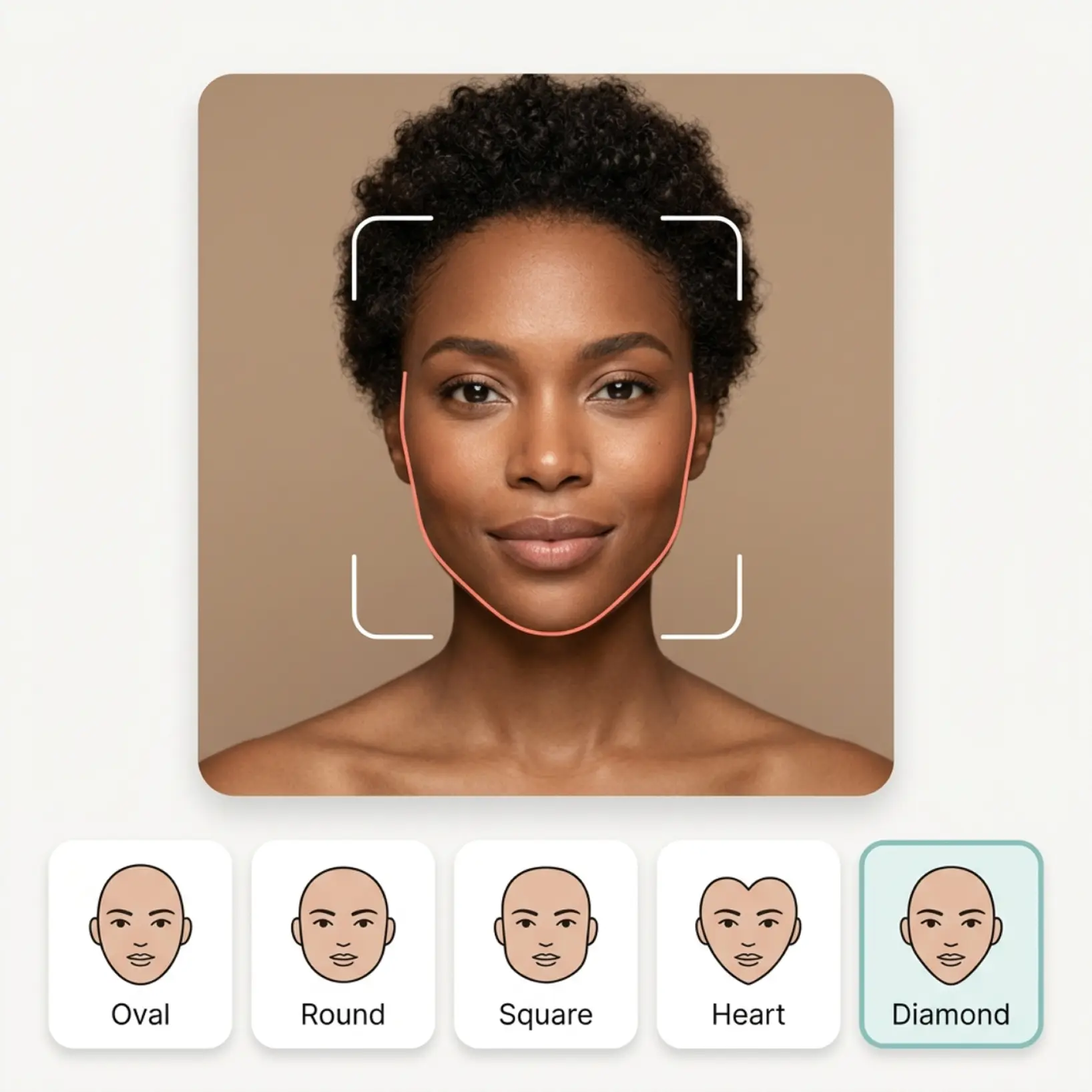
The cheekbones are usually the most noticeable feature of this structure. Hairstyles that create balance around the forehead and chin can help maintain a harmonious overall appearance.
6. Oblong Face Shape
An oblong face is noticeably longer than it is wide. The forehead, cheekbones, and jawline may have relatively similar widths, while the overall facial length remains the most distinctive characteristic.
People with oblong faces may prefer hairstyles that introduce width and avoid excessive height. Glasses with wider frames can also complement the longer facial proportions.
Comparison of Common Face Shapes
The following table highlights the general characteristics of different facial structures and provides a simple reference for understanding their differences.
| Face Shape | Main Characteristics | Styling Consideration |
|---|---|---|
| Oval | Balanced proportions and softly curved jawline | Most styles can complement the structure |
| Round | Fuller cheeks and similar width and length | Consider styles that add visual length |
| Square | Broad forehead and defined jawline | Softer layers can create contrast |
| Heart | Wider forehead and narrower chin | Balance the upper and lower face |
| Diamond | Prominent cheekbones and narrow forehead | Add visual balance around the forehead |
| Oblong | Longer facial structure | Consider styles that introduce width |
Benefits of Using Facial Shape Analysis Tools
Understanding facial proportions can help people make more informed personal styling decisions. Instead of selecting hairstyles or accessories based only on current trends, individuals can consider how different options work with their natural appearance.
One major advantage of a face shape detector is convenience. Users can often complete a basic analysis within a short period by uploading a suitable photograph. This makes facial classification accessible to people who do not have professional styling knowledge or experience with manual facial measurements.
Another benefit is improved styling awareness. Knowing whether the face is relatively round, angular, elongated, or balanced can provide a useful starting point when exploring different hairstyles, beard designs, and eyewear options. It can also help users communicate their preferences more clearly when visiting a barber, hairstylist, or makeup professional.
These tools can also encourage experimentation. Rather than following generic beauty advice, users can explore different possibilities while considering their individual facial proportions. The most useful approach is to treat the results as a starting point instead of following every recommendation without considering personal preferences.
How to Use a Face Shape Detector Correctly
Getting a meaningful result depends partly on the quality of the photograph used for analysis. A clear, front-facing image usually makes it easier for software to identify facial landmarks and estimate proportions.
Before beginning, users should choose a photograph with good lighting and a relatively neutral facial expression. The face should remain clearly visible, without accessories or hair covering important areas. Camera distortion can also affect measurements, so holding the camera at approximately eye level is generally helpful.
For a more reliable result, consider these practical suggestions:
- Use a clear photograph with natural, even lighting.
- Keep your head straight and face the camera directly.
- Move hair away from the forehead and jawline.
- Avoid strong filters, shadows, and unusual camera angles.
- Compare the result with your visible facial proportions.
After receiving the classification, examine the suggested category rather than accepting it automatically. For example, someone with a relatively long oval face might also notice characteristics associated with an oblong structure. This is normal because facial shapes exist on a spectrum rather than in completely separate categories.
How Face Shape Can Influence Hairstyle Selection
Hairstyles can change the way facial proportions appear. The right haircut may highlight certain features, introduce movement, or create a more balanced overall appearance. This does not mean that every face shape requires a specific hairstyle. Hair texture, thickness, growth patterns, lifestyle, and personal taste are equally important.
People with round faces may experiment with layered cuts, textured tops, or hairstyles that introduce height. Those with square faces might enjoy softer fringes or layered styles that complement a defined jawline. Individuals with longer facial proportions may prefer hairstyles with additional volume around the sides.
A face shape detector can provide a useful starting point when discussing haircut options with a professional. For example, someone who discovers that their face is heart-shaped can explore styles that create balance between the forehead and chin. However, the final haircut should also consider hair density, maintenance requirements, and the person’s preferred appearance.
Choosing Glasses and Accessories According to Facial Structure
Eyewear is another area where facial proportions can influence personal styling decisions. Different frame shapes create different visual effects, and understanding the overall structure of the face can make shopping easier.
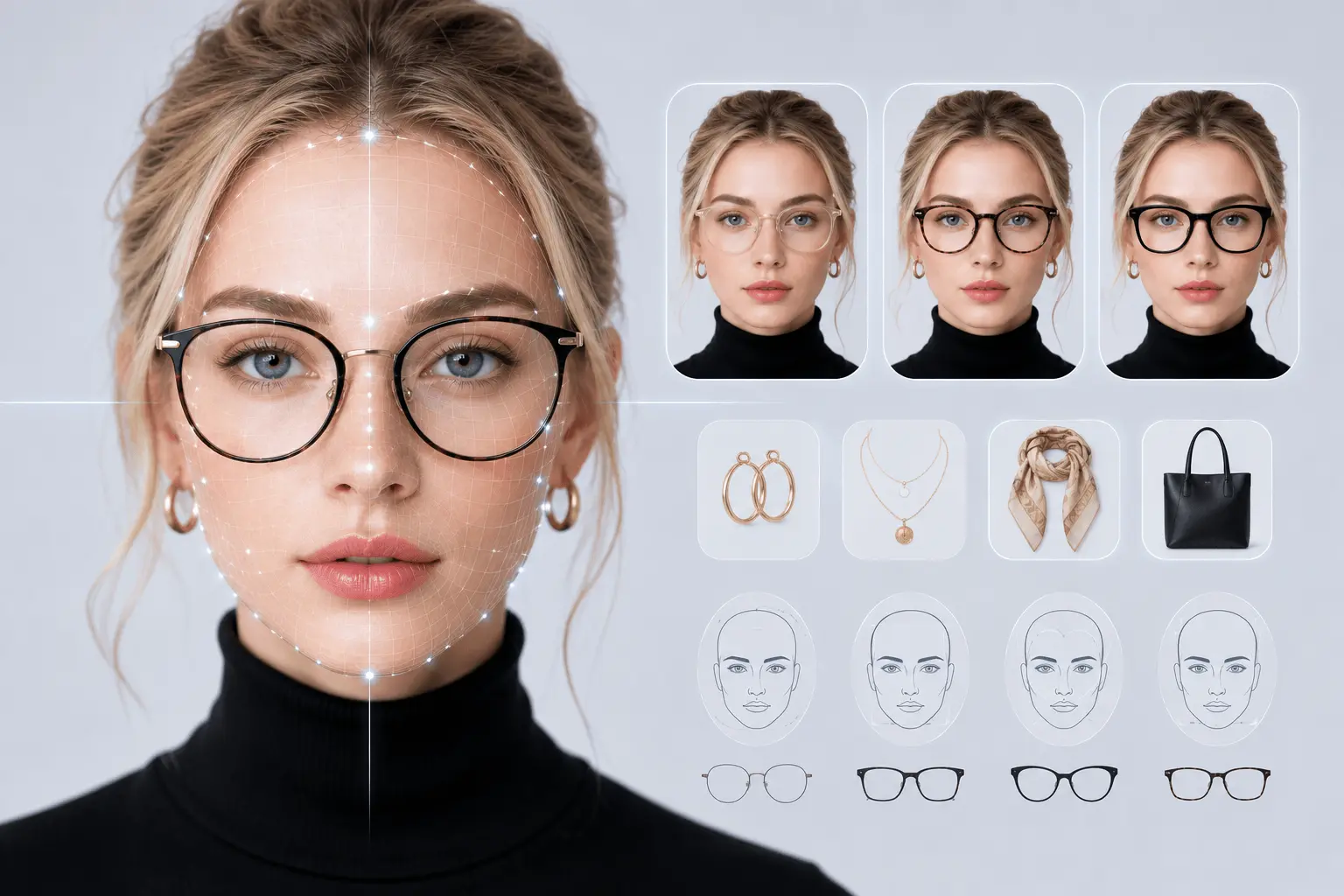
People with round faces may explore rectangular or angular frames, while individuals with square faces may prefer softer oval or rounded designs. Oval facial structures generally offer flexibility with several frame styles, whereas heart-shaped faces may benefit from frames that do not add excessive visual width to the forehead area.
However, these are general styling suggestions rather than strict rules. Frame size, bridge fit, comfort, prescription requirements, and personal preference should always take priority. A frame that fits comfortably and matches someone’s personality is often a better choice than one selected only because of a face shape category.
Limitations and Accuracy of Digital Face Analysis
Although automated facial analysis has become increasingly accessible, it is not perfect. Different platforms may produce different classifications from the same photograph because they use different measurement techniques, training data, and classification models.
Image quality is one of the biggest factors affecting results. Poor lighting can hide the natural outline of the face, while wide-angle cameras may distort facial proportions. A tilted head or unusual facial expression can also change the apparent width and length of certain features.
Another limitation is that facial categories are simplified descriptions of naturally diverse human appearances. Many people have characteristics that overlap between multiple categories. For example, someone may have the cheekbone prominence associated with a diamond face while also having the balanced proportions of an oval face.
Privacy is another consideration. Before uploading personal photographs, users should understand how the application handles images, whether photographs are stored, and whether they may be used for additional processing. Choosing a service with clear privacy information is a sensible precaution.
Conclusion
Understanding facial proportions can make everyday styling decisions easier and more informed. Whether someone is selecting a new haircut, exploring different glasses, or learning more about their appearance, identifying general facial characteristics provides a useful starting point.
A face shape detector makes this process more convenient by using image processing, facial landmarks, and artificial intelligence to estimate the structure of the face. Its results can help users understand common facial categories and explore styling ideas that complement their natural features.
However, technology should support personal decisions rather than control them. Lighting, camera angles, individual facial differences, and overlapping proportions can influence the final classification. The best approach is to combine digital analysis with personal judgment and professional styling advice when necessary.
Ultimately, there is no single ideal face shape or universal styling formula. Every facial structure has distinctive characteristics, and personal appearance is about finding choices that create confidence and comfort. By using facial analysis thoughtfully, individuals can discover new styling possibilities while appreciating their natural features.