
Safra Catz and Diane von Furstenberg represent two distinct forms of professional success. Catz is widely recognized for her leadership in the technology and enterprise software industry, while von Furstenberg has built an enduring reputation as a fashion designer, entrepreneur, and advocate for women’s empowerment. Their careers developed in different environments, yet both women demonstrate how determination, strategic thinking, and a clear sense of purpose can help build lasting influence. Their stories also reveal how leadership can take many forms, from guiding a global corporation through complex business decisions to creating a fashion brand that becomes part of popular culture.
The interest surrounding safra catz and diane von furstenberg reflects a broader curiosity about accomplished women who have established their own identities in competitive industries. Technology and fashion may appear unrelated at first, but both demand creativity, adaptability, commercial awareness, and the ability to respond to changing expectations. Executives must understand markets, manage teams, and make difficult decisions, while designers must anticipate cultural shifts, understand consumers, and maintain a recognizable identity. Looking at these careers together offers a useful perspective on professional ambition and the different ways women can shape modern business and society.
Rather than assuming that the two women share a direct professional partnership or a personal connection, it is more informative to examine their individual achievements, the industries they represent, and the lessons their experiences offer. Their careers provide separate examples of how expertise, confidence, and long-term vision can influence organizations, customers, and future generations.
Who Is Safra Catz? Understanding Her Business Career
Safra Catz is an American business executive best known for her long association with Oracle, a major enterprise technology company. Born in Israel and raised in the United States, she developed an academic and professional background that prepared her for leadership in a demanding corporate environment. She studied at the University of Pennsylvania and earned a law degree from the University of Pennsylvania Carey Law School. Before joining Oracle, she worked in investment banking, gaining experience in financial analysis, corporate transactions, and strategic decision-making.
Catz joined Oracle in 1999 and became one of the company’s most influential senior executives. Over the years, she played a significant role in financial management, corporate strategy, and acquisitions. Her work became particularly notable during Oracle’s expansion through major technology transactions, including the acquisition of PeopleSoft and the purchase of NetSuite. These transactions illustrate the complexity of growing a technology business, where financial considerations must be balanced with product integration, customer relationships, and long-term competitiveness. Her rise through Oracle’s leadership structure reflects a career built on commercial discipline, detailed analysis, and the ability to manage complicated organizational challenges.
Safra Catz and Her Approach to Corporate Leadership
Catz’s leadership style is closely associated with operational discipline, financial accountability, and strategic execution. Large technology companies operate in a fast-moving environment in which customer expectations, cybersecurity requirements, cloud infrastructure, and competitive pressures can change rapidly. Executives in such organizations must evaluate opportunities carefully while ensuring that their businesses remain financially sustainable. Catz’s experience illustrates the importance of connecting ambitious corporate goals with practical implementation.
Her work also highlights the influence of financial knowledge in executive leadership. Corporate growth is not simply a matter of increasing revenue or purchasing other businesses. It involves evaluating risk, determining whether an acquisition supports a company’s broader strategy, allocating resources, and ensuring that different operations work together effectively. In enterprise software, these decisions can affect thousands of employees and customers across numerous countries. Catz’s career demonstrates how a leader with strong financial and legal foundations can contribute to complex strategic decisions while helping an established company adapt to industry changes.
Who Is Diane von Furstenberg? The Woman Behind an Iconic Fashion Brand
Diane von Furstenberg is a Belgian-born American fashion designer, entrepreneur, author, and philanthropist whose work has influenced women’s clothing for decades. She founded her fashion brand in 1972 and introduced the wrap dress in 1974. The design became a defining fashion statement because it combined elegance, comfort, and practicality in a way that suited the changing lifestyles of women. Its simple construction and flattering silhouette made it appropriate for professional settings, social gatherings, and everyday wear. The success of the wrap dress helped establish von Furstenberg as a designer who understood that clothing could be both visually appealing and useful.
Her contribution to fashion extends beyond the creation of a successful garment. Von Furstenberg developed a recognizable brand identity built around confidence, independence, and self-expression. Rather than treating fashion as something reserved for special occasions, her designs emphasized clothing that women could incorporate into their everyday lives. Her business expanded into an internationally recognized label, while her public profile grew through interviews, books, industry leadership, and philanthropic initiatives. These achievements demonstrate how a creative idea can become a long-lasting commercial identity when supported by a clear understanding of customers and a consistent brand philosophy.
Diane von Furstenberg’s Influence on Fashion and Women’s Empowerment
Von Furstenberg’s career illustrates the relationship between design and cultural change. Fashion often reflects the expectations placed on people, but it can also challenge those expectations by offering new choices. The wrap dress became associated with a generation of women seeking clothing that supported independence, mobility, and confidence. Its success was not based solely on appearance; the garment also responded to practical needs. Women could wear it in different settings without sacrificing comfort or personal style, making it an enduring example of design that responds to real-life experiences.
Her influence also extends into philanthropy and the advancement of women in leadership. Through the DVF Awards, established in 2010 with the Diller-von Furstenberg Family Foundation, she has helped recognize women working to improve the lives of others. These awards support individuals whose work demonstrates courage, resilience, and leadership. Such initiatives connect her public platform with a wider purpose, showing that an entrepreneur’s influence can extend beyond commercial achievements. Her career offers an example of how a recognizable personal brand can help draw attention to social issues and encourage other people to contribute to meaningful causes.
Safra Catz and Diane von Furstenberg: Comparing Their Professional Paths
Although the two women work in different sectors, their careers offer interesting points of comparison. Catz built her influence within corporate technology, where success depends on managing complex operations, understanding financial performance, and navigating competition. Von Furstenberg developed her influence through fashion, where creative vision, consumer understanding, and brand identity play essential roles. One operates primarily through organizational leadership and business strategy, while the other has combined product design with entrepreneurship and public advocacy.

The comparison between safra catz and diane von furstenberg is especially useful because it shows that professional achievement does not follow a single formula. Catz’s career demonstrates the importance of financial knowledge, executive experience, and strategic implementation. Von Furstenberg’s journey highlights the value of creativity, personal identity, and an ability to recognize what customers want. Both have worked in industries where established competitors, changing expectations, and constant pressure to remain relevant can make long-term success difficult.
Their careers also demonstrate that leadership is not limited to a particular personality or professional background. An executive may focus on operational efficiency, measurable outcomes, and organizational structure, while a designer may lead through storytelling, visual expression, and emotional connection with customers. Both approaches can be effective when they are supported by expertise, consistency, and a willingness to adapt.
Key Differences Between Their Careers
The following table summarizes the main distinctions between their professional achievements and areas of influence.
| Category | Safra Catz | Diane von Furstenberg |
|---|---|---|
| Primary industry | Enterprise technology | Fashion and lifestyle |
| Best known for | Executive leadership at Oracle | Creating the iconic wrap dress |
| Core professional strengths | Finance, operations, corporate strategy | Design, entrepreneurship, brand development |
| Business contribution | Corporate growth and strategic execution | Building an internationally recognized fashion label |
| Wider influence | Technology leadership and corporate governance | Women’s empowerment and philanthropic initiatives |
| Leadership approach | Analytical and commercially focused | Creative and identity-driven |
These differences do not establish that one career is more successful than the other. Instead, they demonstrate that professional impact must be understood within the context of each industry. Technology executives and fashion entrepreneurs face different risks, serve different markets, and measure achievement in different ways. A fair comparison considers the challenges each person has addressed and the contributions each has made.
What Their Stories Reveal About Women in Leadership
The professional journeys of these two women offer valuable lessons for people pursuing careers in business, technology, fashion, and entrepreneurship. One important lesson is the value of developing expertise before seeking greater responsibility. Catz’s experience in investment banking and corporate finance helped prepare her for the demands of senior management. Von Furstenberg’s understanding of fabrics, clothing, and consumer preferences helped her transform a design concept into a recognized fashion business. In both cases, professional credibility developed through a combination of knowledge, practical experience, and an ability to make decisions in challenging circumstances.
Another lesson is the importance of maintaining a clear direction while adapting to change. Businesses cannot rely indefinitely on past achievements because markets, customers, and competitors continue to evolve. A technology company must respond to new infrastructure models and changing customer requirements, while a fashion label must refresh its collections without losing its identity. The careers of safra catz and diane von furstenberg illustrate different ways of balancing continuity with innovation. Their experiences suggest that lasting influence requires both a strong foundation and the flexibility to respond to new opportunities.
Practical Lessons From Their Careers
Professionals and aspiring entrepreneurs can draw several useful lessons from their achievements:
-
Build deep expertise: Strong knowledge creates a foundation for sound decisions and professional credibility.
-
Develop a recognizable identity: A consistent approach helps leaders and businesses stand out in competitive markets.
-
Adapt without losing direction: Responding to change is important, but long-term goals should remain clear.
-
Use influence constructively: Professional success can create opportunities to support colleagues, communities, and future leaders.
These principles apply across industries, whether someone is managing a technology team, launching a fashion label, developing a startup, or pursuing a leadership position in an established organization.
Their Current Roles and Continuing Influence
As of October 2026, Safra Catz serves as Executive Vice Chair of Oracle’s board of directors. She transitioned from her positions as chief executive officer and principal financial officer in September 2025 as part of the company’s leadership succession. Her experience remains relevant to discussions about corporate governance, strategic continuity, and executive transitions. Moving from a chief executive role to a board leadership position also illustrates how senior executives can continue contributing to an organization after their day-to-day responsibilities change.
Diane von Furstenberg continues to be associated with her fashion brand, philanthropic work, and advocacy for women. Her influence is visible in the continued recognition of the wrap dress and in initiatives that celebrate women making meaningful contributions to society. Her career demonstrates how a business can develop a cultural identity that lasts beyond individual collections or seasonal trends. Together, the continuing influence of safra catz and diane von furstenberg highlights two different ways established leaders can shape conversations about professional achievement, innovation, and the responsibilities that accompany success.
Is There a Direct Connection Between Safra Catz and Diane von Furstenberg?
An important distinction is necessary when discussing these two prominent women. Their professional biographies establish their achievements in separate fields, but a shared level of public recognition does not automatically indicate a personal relationship, business partnership, or joint project. Without reliable evidence establishing such a connection, it would be inaccurate to present them as collaborators or suggest that one has directly influenced the other’s career.
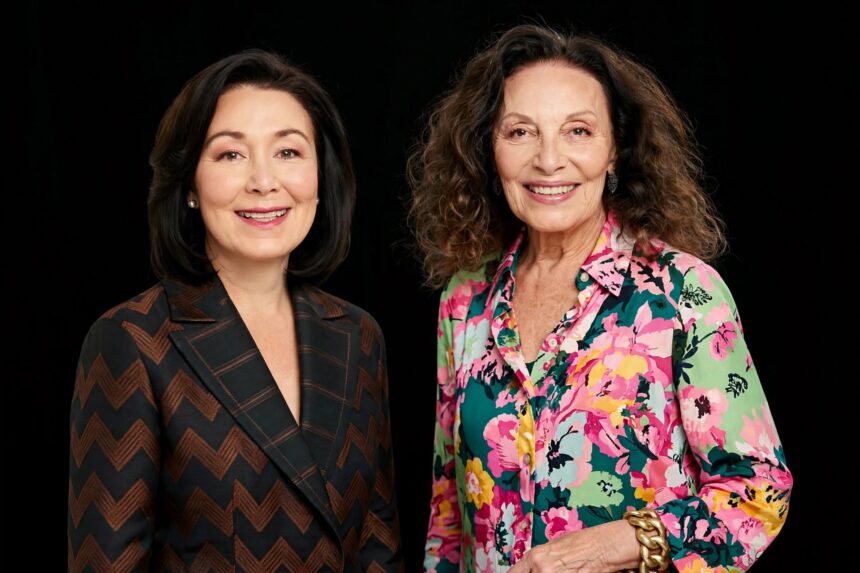
Interest in safra catz and diane von furstenberg can instead be understood as an opportunity to compare two influential professional journeys. Their stories demonstrate how women can establish authority in industries with very different expectations and challenges. One built a career around corporate management and technology strategy, while the other combined fashion design with entrepreneurship and advocacy. Exploring their achievements together offers a broader understanding of leadership without relying on unsupported claims about their personal lives.
Conclusion
Safra Catz and Diane von Furstenberg have established distinct legacies through professional expertise, ambition, and sustained contributions to their respective industries. Catz’s career at Oracle highlights the importance of financial discipline, corporate strategy, and effective executive leadership. Von Furstenberg’s success in fashion demonstrates the power of creative vision, brand identity, and products that respond to people’s everyday needs. Although their career paths differ considerably, both provide valuable examples of how women can build influence in competitive professional environments.
Ultimately, safra catz and diane von furstenberg represent two different perspectives on achievement. Their experiences show that there is no single route to success and that professional influence can emerge through analytical thinking, creative innovation, organizational leadership, or social advocacy. For readers interested in business, fashion, or women’s leadership, their careers offer practical lessons in building expertise, adapting to change, and creating a lasting professional identity. Their individual accomplishments remain meaningful in their own right, demonstrating that long-term success is shaped not only by reaching prominent positions but also by the contributions made along the way.