
Indian comedy has changed significantly with the growth of YouTube, social media, podcasts, and independent entertainment. Audiences no longer depend entirely on television programmes or traditional comedy shows to discover new performers. Digital platforms have created opportunities for comedians to experiment with unusual formats, connect directly with viewers, and develop their own communities. Among the personalities who have benefited from this transformation is Samay Raina, an Indian stand-up comedian and content creator known for his unpredictable humour, online collaborations, and distinctive approach to entertainment.
Born on October 26, 1997, in Jammu, Raina initially attracted attention through stand-up comedy before becoming widely recognised for his online content. His victory in the second season of Comicstaan in 2019 helped establish his position in the Indian comedy scene. Later, his livestreams, chess-related content, and comedy talent show India’s Got Latent introduced him to audiences beyond the traditional stand-up circuit. His career illustrates how digital creators can build a public identity through several different forms of entertainment.
However, his journey has also demonstrated the challenges of working in an environment where jokes can circulate beyond their original context within minutes. Public criticism, disputes surrounding comedy performances, and legal proceedings connected to his show have made his career a subject of wider discussion. Understanding his professional journey requires looking at both his creative achievements and the responsibilities that accompany a large online audience.
Early Life and the Beginning of His Comedy Career
Samay Raina developed an interest in comedy at a time when stand-up performances were becoming increasingly visible in India’s urban entertainment culture. Open-mic events offered emerging performers an opportunity to test jokes, observe audience reactions, and develop a stage presence without needing the backing of a major production company. Like many comedians beginning their careers, he had to learn how to turn personal observations into material that could connect with different audiences.
Stand-up comedy requires more than simply telling funny stories. Timing, pauses, expressions, audience interaction, and the ability to recover when a joke fails all contribute to a successful performance. Raina gradually developed a style that combined conversational delivery with irreverent observations and unexpected punchlines. His early performances helped him understand the demands of live comedy and provided a foundation for the opportunities that followed.
The Indian comedy industry was also becoming more accessible through online video platforms. Performances could reach viewers outside the cities where comedians regularly performed, allowing promising artists to build recognition before becoming established television personalities. This changing environment created a pathway for performers who preferred experimenting with their own material rather than following conventional entertainment formats.
The Breakthrough Moment with Comicstaan
One of the most important milestones in his career came in 2019, when Raina participated in the second season of Comicstaan, a stand-up comedy competition. The programme brought together emerging comedians and challenged them to perform under different themes and creative constraints. Contestants needed to demonstrate not only humour but also versatility, writing ability, stage confidence, and the capacity to adapt to feedback.
Raina shared the winning position with fellow comedian Aakash Gupta. This achievement gave him wider visibility and helped introduce his work to viewers who might not regularly attend live comedy shows. Winning a televised competition can create valuable opportunities, but maintaining audience interest afterward requires consistency and a recognisable creative identity. For Raina, the following years became a period of experimentation across stand-up, streaming, gaming, and collaborative content.
The competition also reflected a broader change in how Indian comedians built their careers. Digital distribution allowed audiences to discover performers through short clips and online discussions, while longer performances helped establish a deeper connection. Raina’s subsequent career showed how a breakthrough in one format could become the starting point for a much wider entertainment presence.
How YouTube and Live Streaming Expanded His Audience
After gaining recognition through stand-up, Raina explored digital entertainment in ways that differed from the traditional comedian’s career path. YouTube allowed him to publish longer conversations, collaborate with other creators, and interact with viewers in a less formal environment. Rather than relying exclusively on carefully rehearsed stage performances, he could develop content around spontaneous reactions, shared interests, and ongoing online conversations.
Chess became an especially notable part of his digital presence. During the growth of online chess streaming, Raina participated in games and collaborations that helped introduce the game to viewers who might otherwise have had little interest in it. His content demonstrated that entertainment could emerge from the interaction between a host, guests, and a live audience, even when the central activity was not traditionally associated with comedy. This combination of humour and gaming helped him reach different communities and encouraged collaborations with creators from outside the stand-up industry.
Another important element of his online success was the sense of informality surrounding his content. Viewers could observe conversations as they unfolded, rather than seeing only polished and edited performances. That approach created opportunities for memorable moments, but it also introduced risks. Live or loosely edited material can contain statements that are difficult to explain after short clips spread across social media. For digital entertainers, the same spontaneity that attracts an audience can also create reputational challenges.
India’s Got Latent and a New Entertainment Format
A major development in Raina’s career was the launch of India’s Got Latent in 2024. The YouTube programme presented contestants to a panel of guests and judges, combining talent-show elements with comedy, audience participation, and informal commentary. Its unusual format encouraged viewers to debate performances, personalities, and reactions rather than simply watching a conventional competition.
The show’s appeal came partly from its unpredictability. Guest appearances, candid conversations, unusual performances, and humorous exchanges helped generate clips that circulated widely online. In an entertainment market where viewers often discover programmes through short videos, moments that inspire discussion can contribute substantially to a show’s visibility. The format also gave Raina a role beyond performing jokes himself: he became a host responsible for shaping the show’s atmosphere and managing interactions among contestants, guests, and viewers.
The programme’s popularity highlighted the commercial and creative potential of independently produced digital entertainment. Creators can build recognisable formats without following the production conventions of television, and audiences can participate in discussions almost immediately after an episode appears. Yet such freedom brings responsibilities involving editing, moderation, consent, and the treatment of sensitive subjects. The experience of India’s Got Latent showed how these questions can become central to a programme’s public identity.
The Controversy That Changed Public Discussion
In February 2025, India’s Got Latent faced widespread criticism following an episode featuring YouTuber Ranveer Allahbadia. Remarks made during the programme triggered public outrage and led to complaints and police cases involving several people associated with the show. The controversy quickly moved beyond comedy communities and became part of a national discussion about online entertainment, freedom of expression, obscenity, and accountability.

The response illustrated how digital controversies can develop rapidly. Clips taken from a longer programme may circulate without the complete conversational context, while criticism from viewers, public figures, and authorities can intensify attention. At the same time, the fact that content is presented as comedy does not automatically prevent audiences from questioning whether a joke is appropriate or harmful. The debate surrounding the episode raised difficult questions about the boundaries between provocative humour and material that causes genuine offence.
The consequences extended beyond online criticism. The programme was taken down amid the controversy, and legal proceedings followed. Raina subsequently discussed the experience publicly, including the personal and professional difficulties associated with the backlash. These events became a turning point in the way the public viewed his career, bringing greater attention to the risks involved in producing unscripted or loosely controlled online entertainment.
Legal Developments and the Importance of Responsible Comedy
The legal developments connected to the programme continued into 2026. On August 14, 2026, the Supreme Court of India quashed the criminal proceedings against Raina and four other comedians over remarks concerning persons with disabilities on India’s Got Latent. Reports stated that the Court took note of efforts to promote awareness and raise funds for people affected by spinal muscular atrophy, including initiatives developed following the controversy.
This outcome was an important development in the case, but it should not be confused with a declaration that every controversial joke is harmless or that online creators have no responsibilities. Legal proceedings and public criticism address different questions. A court considers the applicable law and the circumstances before it, while audiences may independently assess whether a performance demonstrates good judgement, respect, or creative value.
The broader issue is especially relevant to comedy because humour often relies on exaggeration, discomfort, and the challenging of social expectations. However, jokes involving disability, vulnerable communities, or personal circumstances can affect people differently depending on the context and the way they are delivered. Comedians, producers, and platforms must consider not only the immediate reaction inside a studio but also how the material may be received by people who were not present.
For digital creators, responsible comedy does not necessarily mean avoiding every controversial topic. It means understanding the difference between challenging an idea and humiliating a person, considering the potential effects of a joke, and accepting that audiences may disagree with a performance. The continuing discussion around Raina’s work illustrates why creative freedom and accountability remain closely connected in the online entertainment industry.
Still Alive: Returning to the Stage
Following the 2025 controversy, Raina returned to live performances with the Still Alive and Unfiltered tour. The tour represented a significant professional step because it allowed him to reconnect with audiences through stand-up rather than relying exclusively on online discussions about his earlier work. Live comedy also offered a different environment from a YouTube show: a performer could develop a longer narrative, respond to a room in real time, and explore personal experiences without depending on short viral clips.
In March 2026, he released his comedy special Still Alive on YouTube, bringing his experiences from the preceding period into his performance. His return attracted attention from viewers interested in how comedians respond to public criticism and transform difficult professional experiences into creative material. The special also illustrated the continuing importance of direct-to-audience distribution, which allows performers to release work independently and reach viewers without following a traditional television schedule.
The significance of a comeback, however, goes beyond simply returning to the stage. For a comedian, it involves rebuilding trust, refining material, and demonstrating that new work offers something beyond the publicity surrounding previous controversies. Raina’s return became part of a larger discussion about resilience in entertainment and whether audiences separate a creator’s personal conduct, public controversies, and artistic output when deciding what to watch.
Recent Developments and the Public Response in 2026
By October 2026, Raina’s public profile continued to involve both entertainment and controversy. His return to major performances and the renewed visibility of his comedy special showed that the earlier backlash had not ended audience interest in his work. At the same time, the reception of his content demonstrated how quickly public opinion can shift when a creator’s statements become a subject of wider debate.
A further controversy emerged in August 2026 after exchanges involving regional identities and communities reportedly featured in India’s Got Latent 2. Clips prompted criticism from some political figures and members of the public, renewing discussion about jokes involving regional and cultural sensitivities. The reactions illustrated that even after a major legal development, the wider question of responsible comedy remained relevant to his public image.
The following table summarises the main milestones in his career and their broader significance.
| Year | Career milestone | Significance |
|---|---|---|
| 2019 | Won Comicstaan 2 jointly with Aakash Gupta | Established his identity as a rising stand-up comedian |
| 2024 | Launched India’s Got Latent | Expanded his role into hosting and digital production |
| 2025 | Faced widespread backlash and legal proceedings | Brought online comedy accountability into public discussion |
| 2025 | Began the Still Alive and Unfiltered tour | Returned to live performance |
| 2026 | Released Still Alive | Presented a new stand-up performance following the controversy |
| August 2026 | Supreme Court quashed the related criminal proceedings | Marked a major legal development in the case |
What Makes His Comedy Style Distinctive?
One reason audiences recognise Raina is his combination of conversational humour, improvisation, and unpredictable interactions. Instead of depending entirely on elaborate storytelling, he often draws energy from exchanges with other performers and the unexpected direction of a conversation. This style can create a sense of spontaneity that makes viewers feel as though they are watching something unfold naturally rather than following a tightly controlled script.
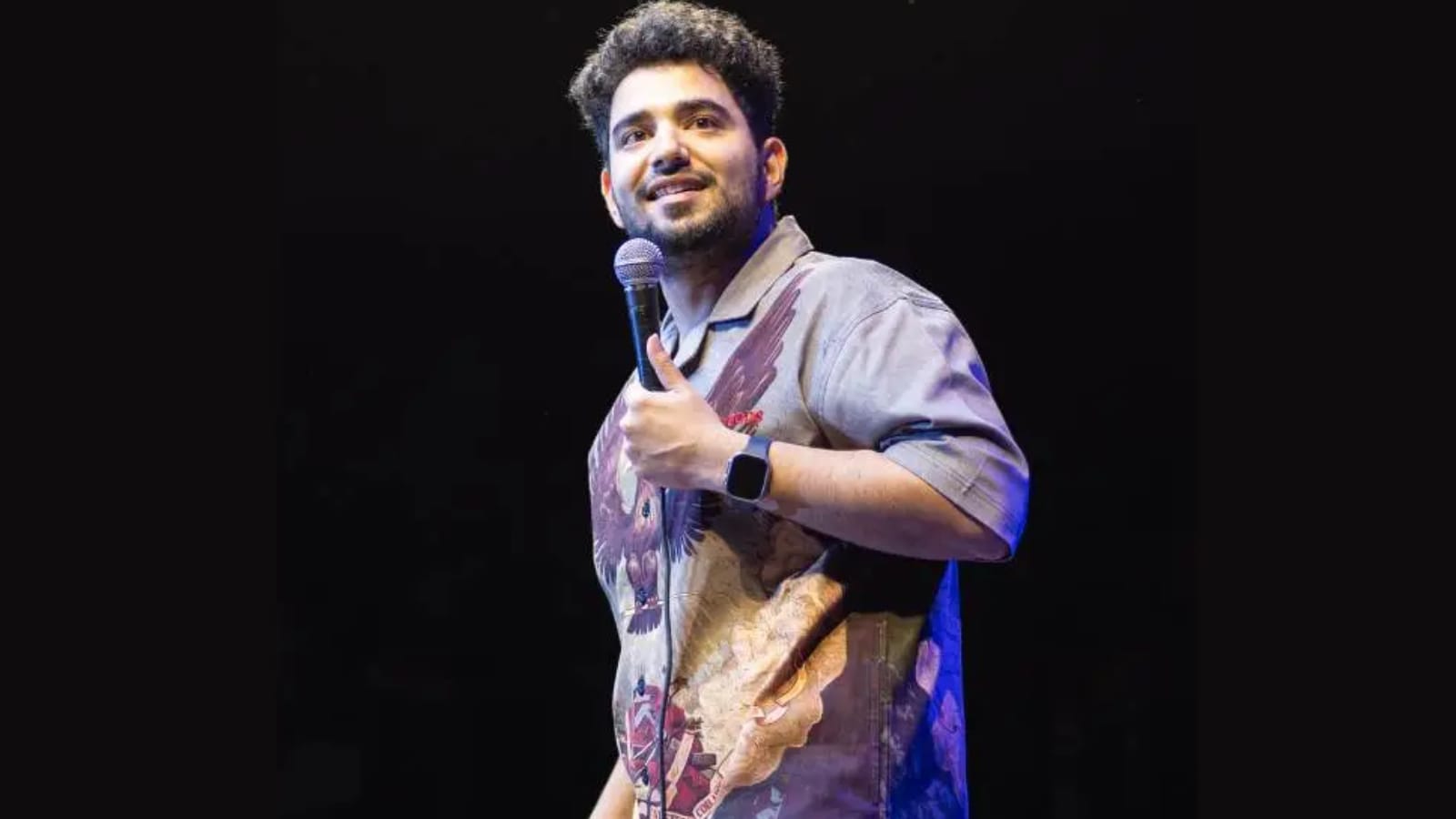
His work also reflects the influence of digital culture on modern comedy. Livestreaming, gaming communities, online personalities, and viral clips have created new ways for comedians to build audiences. Someone who discovers a performer through a chess stream may later watch a stand-up special, while a viewer interested in a comedy show may explore the creator’s other projects. This movement between formats can make an entertainer more recognisable across different audiences.
There are several factors that help explain his professional reach:
-
Format flexibility: Moving between stand-up, livestreaming, and hosting creates opportunities to attract different viewers.
-
Audience interaction: Conversations and spontaneous reactions can make online content feel immediate and personal.
-
Digital distribution: YouTube allows performances to reach audiences without depending entirely on traditional entertainment channels.
-
Public visibility: Controversies can increase attention, although attention does not necessarily translate into positive public sentiment.
These factors also demonstrate why success in digital entertainment requires more than visibility. Long-term professional growth depends on developing new material, understanding the audience, maintaining creative consistency, and responding thoughtfully when criticism arises.
The Business Side of a Digital Comedy Career
The modern comedian’s career increasingly resembles a small entertainment business. Performers may generate income through ticket sales, brand partnerships, platform monetisation, merchandise, and special performances. A strong online following can help sell live shows, while successful stage performances can encourage viewers to explore older videos and new digital releases. These different channels can support one another when managed effectively.
However, popularity alone does not reveal a creator’s actual income or financial position. Ticket revenue, production expenses, management fees, taxes, sponsorship agreements, and other costs all affect earnings. Without reliable financial disclosures, precise claims about Raina’s net worth or annual income should be treated cautiously rather than repeated as established facts.
For aspiring comedians, his career offers a useful example of the opportunities created by developing several complementary skills. Writing jokes, performing on stage, hosting conversations, collaborating with other creators, and understanding online audiences can all contribute to professional growth. At the same time, building a sustainable career requires planning for reputational risks and recognising that the responsibilities of a host can differ from those of a performer delivering a prepared routine.
Conclusion
Samay Raina’s career reflects the opportunities and complications of becoming a comedian in India’s digital entertainment era. His breakthrough through Comicstaan, expansion into livestreaming and chess content, and success with India’s Got Latent demonstrate how performers can build audiences across multiple formats. His return through live performances and Still Alive further illustrates how comedy can provide a platform for reflecting on difficult experiences and reconnecting with viewers. His journey also offers a broader lesson about the relationship between entertainment, public responsibility, and creative freedom. Digital platforms allow comedians to experiment and reach audiences directly, but they also expose their work to immediate scrutiny and lasting public debate. Legal outcomes, audience reactions, and artistic evaluations should be understood as separate parts of that larger picture.