
Samay Raina has become a recognizable name in India’s digital entertainment industry, building an audience through stand-up comedy, live performances, online collaborations, and unconventional content. His journey reflects how modern comedians can move beyond traditional stages and television appearances to develop a strong presence on digital platforms. With a style that blends spontaneous humour, sharp observations, and internet culture, he has attracted viewers who enjoy entertainment that feels less scripted and more conversational.
The popularity of Samay Raina also illustrates how quickly public figures can become part of broader online conversations. A comedian’s career today is influenced not only by performances but also by livestreams, audience reactions, social media discussions, and the way individual moments circulate across platforms. This environment creates opportunities for rapid growth, but it also brings challenges involving public perception, accountability, and the pressure to remain relevant.
His professional journey offers an interesting perspective on the changing relationship between comedy and digital media in India. From developing his identity as a stand-up performer to experimenting with chess-related entertainment and online collaborations, his career demonstrates the value of creativity and adaptability. Understanding this journey requires looking beyond viral moments to examine the work, formats, audience connections, and controversies that have shaped his public image.
Early Life and the Beginning of a Comedy Career
Born in Jammu and raised in a Kashmiri Pandit family, Samay Raina developed an interest in humour and performance that eventually led him toward stand-up comedy. His background and personal experiences later became useful sources of material for his performances, allowing him to connect everyday situations with observations about identity, relationships, and social expectations. Like many aspiring comedians, he had to develop confidence, stage presence, and an understanding of what makes an audience laugh.
His early career was shaped by India’s growing stand-up comedy scene, where performers were increasingly reaching audiences through comedy clubs, recorded performances, and online platforms. Instead of relying entirely on conventional entertainment channels, emerging comedians could build recognition by sharing their work directly with viewers. This changing environment created opportunities for distinctive voices to develop loyal audiences, even without immediate mainstream recognition.
The Breakthrough That Changed His Career
One of the important milestones in his journey was his participation in Comicstaan Season 2, the Indian stand-up comedy competition. The show introduced him to a wider audience and helped establish his reputation as a promising performer. His success demonstrated that comedy competitions could provide a platform for developing performers to showcase their timing, writing, stage confidence, and ability to respond to different audiences.
However, television exposure was only one part of his professional development. Digital entertainment offered a way to experiment with longer conversations, collaborations, livestreams, and unscripted situations. Rather than restricting himself to a single performance format, he gradually explored different ways to entertain viewers. This willingness to experiment became an important characteristic of his career, helping him reach audiences who consumed entertainment primarily through smartphones and online video platforms.
YouTube, Live Streaming, and Digital Popularity
YouTube played a significant role in expanding his audience beyond traditional stand-up comedy. Online video allowed viewers to discover his personality through collaborations, gaming sessions, conversations, and spontaneous reactions. These formats often created a different relationship between the performer and the audience because viewers could spend much more time watching a creator than they might during a short stage performance.
A major factor behind this growth was the informal atmosphere of livestreaming. Unexpected moments, playful disagreements, and interactions with other creators could become entertaining experiences in their own right. Short clips from longer broadcasts also helped introduce new viewers to his content. This approach reflects a wider trend in which digital creators develop communities around their personalities rather than depending exclusively on individual videos.
The growth of Samay Raina illustrates how entertainment careers can now develop across several interconnected platforms. A person might first discover a comedian through a short clip, watch a full performance later, and eventually become a regular viewer of livestreams or collaborative content. This combination of discovery and repeat engagement can strengthen audience loyalty while giving creators more opportunities to explore their interests.
Chess Streaming and an Unusual Entertainment Formula
Chess became another important part of his online identity. Although chess is traditionally associated with concentration, strategy, and competitive thinking, online entertainment has created new ways to present the game to broader audiences. Humour, commentary, creator collaborations, and beginner-friendly explanations can make chess accessible to viewers who might otherwise consider it difficult or intimidating.
His involvement in chess-related content helped connect different communities, including comedy fans, gaming audiences, and chess enthusiasts. The format also demonstrated that entertainment does not always require elaborate production or a conventional script. A competitive game can become engaging when participants bring contrasting personalities, react naturally to mistakes, and explain their decisions in an entertaining way.
This crossover has a wider significance for digital entertainment. Creators can introduce audiences to subjects they might not ordinarily explore, while established communities can attract new members through accessible formats. Chess content is a useful example of how a creator’s interests can become part of a larger entertainment identity rather than remaining separate from their primary profession.
India’s Got Latent and Its Distinctive Format
India’s Got Latent became one of the most discussed projects associated with his career. The YouTube show combined unconventional talent performances, humour, roasting, audience reactions, and a judging format that encouraged participants to predict their own scores. Its informal presentation differed from traditional televised talent competitions, where performances are usually structured around polished acts and carefully managed judging segments.
The show benefited from a format that encouraged unpredictable interactions. Contestants brought a wide variety of talents, while judges and guests contributed different personalities and comedic perspectives. This created opportunities for spontaneous moments that audiences could discuss and share online. The format also reflected the growing popularity of creator-led programming, in which digital personalities can develop entertainment concepts without following all the conventions of mainstream television.
The show’s popularity demonstrated that audiences were willing to watch unconventional entertainment when it offered a distinctive experience. At the same time, the format raised questions about moderation, responsibility, and the limits of humour. When conversations are recorded and distributed widely, a remark made in a particular context can reach audiences who interpret it differently from the original participants.
Understanding the Major Controversy
In February 2025, India’s Got Latent faced a major controversy following inappropriate remarks made by guest Ranveer Allahbadia during an episode. The incident generated widespread criticism and legal complaints, drawing attention to the responsibilities of online entertainers and the potential consequences of content distributed to large audiences. The controversy extended beyond the individuals involved and became part of a broader discussion about freedom of expression, offensive humour, and digital content regulation.
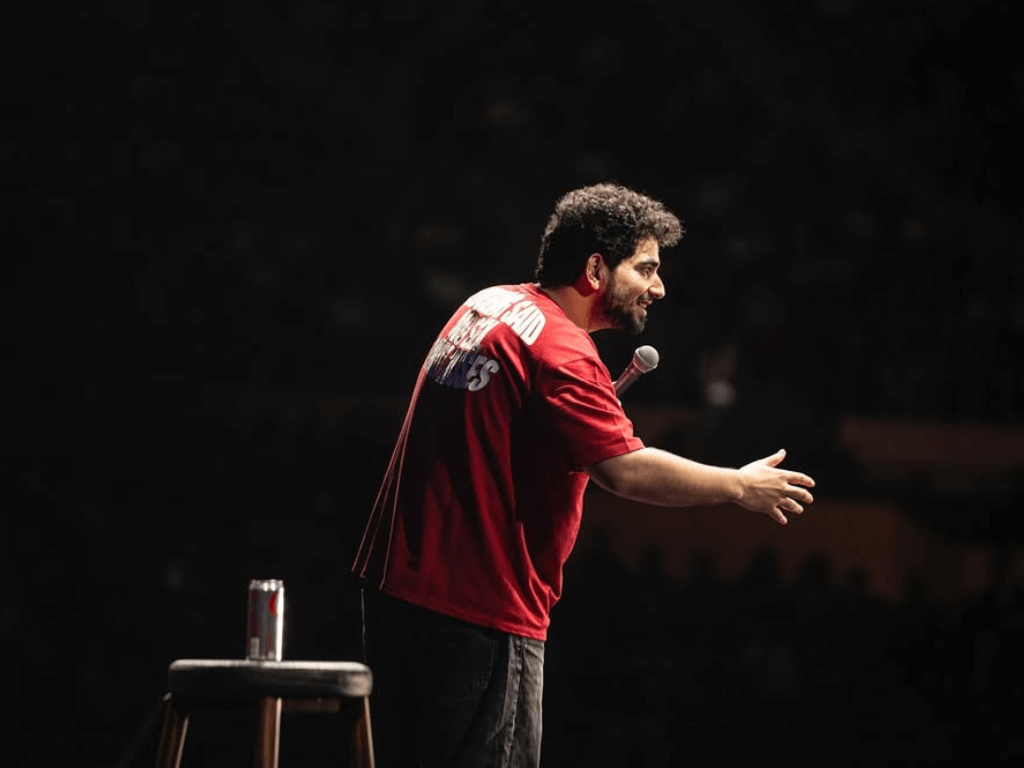
The situation had an immediate impact on the show. Its episodes were removed from public access on the YouTube channel, and the controversy became a major challenge for the people associated with the programme. For creators, such situations can affect professional relationships, audience trust, commercial opportunities, and personal well-being. They also demonstrate how quickly an online entertainment project can move from popularity to intense public scrutiny.
The debate was not simply about whether comedy should be provocative. It also concerned the distinction between creative freedom and the responsibility to consider the effects of public statements. Comedy often challenges conventions, but audiences can reasonably disagree about whether a joke is clever, unnecessary, or harmful. This tension is particularly important when content involves vulnerable communities or subjects that require sensitivity.
In August 2026, the Supreme Court quashed the FIRs against Raina and four other comedians in connection with insensitive remarks concerning persons with disabilities on the show, after considering their compliance with directions involving awareness initiatives and fundraising. This was a significant legal development, although it did not mean that every criticism of the programme disappeared. The episode remains relevant to discussions about online accountability and the relationship between creative expression and social responsibility.
Still Alive and the Return to Stand-Up Comedy
Following the controversy, the stand-up special Still Alive became an important part of his return to public-facing comedy. Released in April 2026, the performance addressed the difficult period surrounding the controversy and presented his perspective through personal storytelling and humour. Rather than treating the situation as an isolated news event, the special turned his experiences into material for a longer performance.
The response highlighted the continuing demand for his work. In April 2026, the special was widely reported to have crossed 53 million views, making it one of the most-watched full-length stand-up comedy performances on a single YouTube upload. Its popularity demonstrated that audiences remained interested in hearing his perspective and seeing how he approached a difficult chapter of his career.
A comeback performance can serve several purposes. It can allow an artist to return to a familiar format, communicate personal experiences, and reconnect with an audience through a medium in which the artist has established expertise. However, high view counts do not necessarily indicate that every viewer agrees with the performer or approves of every decision. Online popularity and public criticism can exist simultaneously, particularly when a creator is discussing a controversial subject.
Current Career Developments in 2026
The latest phase of his career reflects an effort to expand his entertainment projects while returning to established formats. In June 2026, Netflix announced a creative collaboration involving the second season of India’s Got Latent and a new comedy special in development. The second season was announced for a June 20 launch, with a simulcast across Netflix and YouTube and new episodes scheduled every two weeks.
These developments indicate the continued commercial potential of creator-led entertainment. Streaming platforms can introduce programmes to new audiences, while YouTube provides an established environment for digital communities. Combining the two can help a programme reach viewers with different viewing habits and expectations.
At the same time, the renewed visibility of the show has kept discussions about its humour and boundaries alive. Public reactions to controversial remarks during the second season have demonstrated that the relationship between creators and audiences remains complicated. Success in this environment requires more than attracting attention; it also involves maintaining a recognisable creative identity while responding thoughtfully to criticism.
The following table summarises the major stages of his professional journey.
| Period | Career milestone | Significance |
|---|---|---|
| 2019 | Comicstaan Season 2 | Expanded recognition as a stand-up comedian |
| 2020 onward | Digital collaborations and chess content | Broadened his audience and creative formats |
| 2024 | India’s Got Latent gained popularity | Established a distinctive creator-led show |
| 2025 | Major public controversy | Raised questions about content responsibility |
| April 2026 | Still Alive comedy special | Returned to stand-up with personal storytelling |
| June 2026 | Netflix collaboration announced | Opened another phase of digital entertainment |
| August 2026 | Supreme Court quashed the related FIRs | Marked a major legal development |
What Makes His Comedy Style Different?
A defining feature of his approach is the combination of spontaneous reactions, conversational humour, and a willingness to explore uncomfortable situations. Rather than relying only on tightly structured jokes, he often builds entertainment through interactions with other people. This can make performances feel immediate and unpredictable, especially when the humour develops from a real conversation rather than a rehearsed setup.
Another important element is his understanding of online audiences. Digital viewers frequently enjoy content that feels informal and personal, where the creator appears approachable rather than distant. Collaborations and livestreams can strengthen this connection because they allow audiences to observe different sides of a personality over time. Nevertheless, the same informality can create risks when unscripted remarks are distributed without their original context.

For a comedian working across digital platforms, the challenge is to balance experimentation with judgment. Audiences may appreciate bold observations while still expecting performers to recognise when a subject requires greater care. A strong comedic identity can survive disagreement when it is supported by thoughtful writing, consistent performance quality, and an understanding of the responsibilities that come with a large audience.
Lessons for Aspiring Digital Creators
The career of Samay Raina offers several lessons for people who want to work in comedy, streaming, or online entertainment. His journey shows that creators can develop an audience by experimenting with different formats, identifying subjects they genuinely enjoy, and building connections with other people in their industry. It also illustrates that long-term success requires more than a single viral moment.
Aspiring creators can apply several practical principles:
-
Develop a recognisable style: Build a creative identity that audiences can distinguish from similar content.
-
Experiment with formats: Explore performances, livestreams, interviews, and collaborations to discover what works.
-
Understand audience expectations: Study feedback without allowing every online reaction to dictate creative decisions.
-
Take responsibility: Consider context, potential harm, and the consequences of statements made in public.
-
Focus on consistency: Improve writing, presentation, editing, and audience engagement over time.
These principles apply beyond comedy. Gaming streamers, educators, podcasters, and other digital professionals face similar challenges as they work to attract attention and maintain trust. Creativity may bring initial recognition, but reliability and responsible decision-making can help sustain a career.
Conclusion
Samay Raina’s journey reflects the opportunities and complications of building an entertainment career in the digital age. From his early stand-up performances and Comicstaan breakthrough to chess-related content, India’s Got Latent, and the Still Alive special, his work demonstrates the potential of combining traditional performance skills with online distribution. His career has also shown how quickly public opinion can change when entertainment crosses sensitive boundaries. The legal developments of 2026 and the announcement of new projects indicate that his professional story continues to evolve. His future success will depend not only on his ability to entertain audiences but also on how he balances creative freedom, public expectations, and responsible content creation. For anyone studying the modern entertainment industry, his experience offers a valuable example of how talent, digital platforms, controversy, and audience engagement can interact to shape a public career.