
Understanding your facial structure can make a significant difference when choosing hairstyles, glasses, makeup, and accessories. Every face has its own proportions, and recognizing these characteristics can help you make styling decisions that complement your natural appearance. One facial structure that often attracts attention because of its distinctive proportions is the oblong face shape. It is generally characterized by a longer facial appearance, balanced features, and relatively straight sides.
People with this facial structure often have a forehead, cheekbones, and jawline that appear similar in width. However, the overall length of the face is noticeably greater than its width. This creates an elongated appearance that can look elegant, sophisticated, and naturally balanced. Many celebrities, models, and public figures have similar facial proportions, demonstrating how versatile this structure can be with the right styling choices.
Learning about your facial proportions is not about changing your appearance or following strict beauty standards. Instead, it helps you understand which styling techniques work harmoniously with your natural features. From selecting a suitable haircut to finding glasses that complement your face, a little knowledge can make everyday grooming and fashion decisions easier.
What Is an Oblong Face Shape?
An oblong face is a facial structure in which the overall length is noticeably greater than the width. The forehead, cheekbones, and jawline generally have similar measurements, creating a relatively straight appearance along both sides of the face. Unlike some other facial structures, it does not usually have dramatically wide cheekbones or a sharply pointed chin.
The forehead may appear slightly tall, while the chin is often rounded or gently squared. The cheek area typically has a balanced appearance rather than being the widest part of the face. These proportions create a naturally elongated silhouette that can look particularly refined. Although individual features differ from person to person, the relationship between facial length and width is the most important characteristic.
It is also worth remembering that facial structures do not always fit perfectly into one category. Some people have a combination of oblong and oval features, while others may have a slightly square jawline. Genetics, age, weight changes, and natural bone structure can influence how the face appears.
Main Characteristics of an Oblong Face
Recognizing the main facial features can help you determine whether your proportions match this category. While there is no single measurement that applies to everyone, several common characteristics make identification easier.
1. Noticeably Longer Facial Length
The most recognizable characteristic is the distance between the hairline and the bottom of the chin. This measurement is generally greater than the width across the cheekbones. As a result, the face appears vertically elongated rather than broad or rounded.
2. Similar Width Across the Forehead and Cheekbones
The forehead and cheekbones usually have relatively similar widths. The sides of the face may look fairly straight, without a dramatic narrowing around the temples or lower jaw. This creates a consistent facial outline.
3. Balanced Jawline
The jawline is commonly rounded, softly squared, or slightly narrow. It does not usually form the sharply pointed appearance associated with a heart-shaped face. Its width often remains reasonably consistent with the forehead and cheekbone area.
4. Relatively Straight Facial Sides
Another noticeable feature is the relatively straight appearance of the facial outline. The cheeks do not always create a prominent outward curve, and the lower face may maintain a similar width as it approaches the chin.
How to Identify Your Face Shape at Home
You do not need professional equipment to understand your facial proportions. A mirror, a measuring tape, and a well-lit space are usually enough to make a reasonable assessment. Start by pulling your hair away from your face so that your forehead, cheeks, jawline, and chin are clearly visible.
Look directly into the mirror rather than viewing your face from an angle. Observe whether your face appears noticeably longer than it is wide. Next, compare the width of your forehead, cheekbones, and jawline. If these areas have relatively similar measurements and the overall length is significantly greater, you may have this facial structure.
For a more objective comparison, measure four areas:
| Facial Measurement | What to Observe |
|---|---|
| Forehead | Width across the broadest part |
| Cheekbones | Distance between the outer cheekbone points |
| Jawline | Width or measurement along the jaw |
| Face length | Distance from the hairline to the chin |
Take each measurement carefully and avoid pulling the measuring tape too tightly. Facial measurements are useful guidelines rather than strict rules. Your natural hairline, facial expression, and individual bone structure can influence the results.
Best Hairstyles for an Oblong Face
Choosing a flattering hairstyle is one of the easiest ways to complement longer facial proportions. Generally, hairstyles that introduce width around the cheeks and temples can create a more balanced appearance. Layers, textured cuts, waves, and suitable fringe styles can all help achieve this effect.
Medium-length hairstyles are particularly versatile because they offer opportunities to introduce movement without making the face appear excessively elongated. Shoulder-length cuts, layered bobs, and soft waves can add dimension around the sides. People who prefer longer hair can also experiment with face-framing layers that begin around the cheekbones.
Hairstyles for Women
Women can explore several hairstyles depending on their hair texture, lifestyle, and personal preferences. Curtain bangs, side-swept fringes, layered shoulder-length cuts, and loose waves are popular choices. These styles introduce horizontal movement and can visually balance the length of the face.
A textured lob is another excellent option. It provides enough length for different styling possibilities while creating volume around the sides. Soft curls and waves can also add fullness near the cheekbones. However, extremely long, completely straight hairstyles without layers may emphasize vertical length, particularly when the hair falls flat against the sides of the face.
Hairstyles for Men
Men can choose textured crops, side-parted hairstyles, medium-length cuts, and styles with some volume around the temples. These options introduce visual balance without requiring complicated daily grooming.
A textured fringe can be particularly useful because it creates a horizontal element across the forehead. Similarly, a classic side part can introduce structure and movement. Extremely tall hairstyles with excessive volume on top may make the face appear longer, so moderate styling is often a more balanced approach.
Best Glasses for an Oblong Face
Eyeglasses are both functional accessories and important fashion elements. The right frames can complement facial proportions while expressing personal style. People with longer facial structures often benefit from frames that introduce width and visual balance.
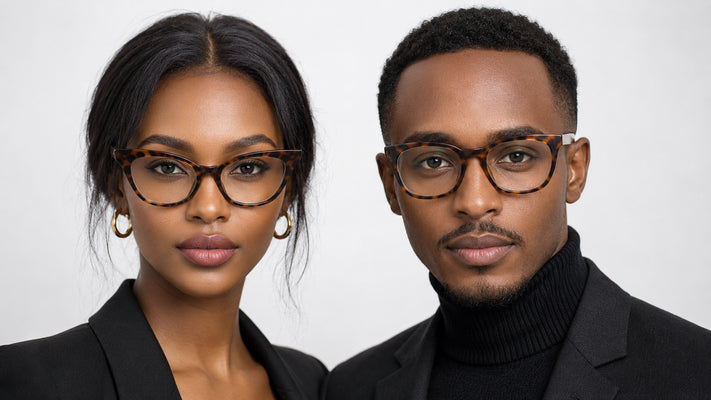
Rectangular frames with sufficient height, oversized glasses, and bold square frames can be attractive options. These designs create definition around the eyes and add visual interest across the upper part of the face. Rounded frames can also work well, particularly when they have enough width to complement the cheekbones.
Frame size matters just as much as frame shape. Glasses that are too narrow may emphasize facial length, while extremely small frames can appear disproportionate. Ideally, the frames should sit comfortably across the face without extending excessively beyond the temples.
Popular options include:
- Square frames for a structured appearance.
- Wayfarer-style glasses for everyday versatility.
- Oversized frames for additional visual width.
- Round frames for a softer contrast.
Comfort, prescription requirements, and personal preferences should always remain important considerations when choosing eyewear.
Makeup Tips for Longer Facial Proportions
Makeup can help highlight natural features and create different visual effects. For people with longer facial proportions, the main styling approach often involves adding dimension around the cheeks and creating a balanced appearance between the upper and lower face.
Blush placement can make a noticeable difference. Applying blush horizontally across the apples of the cheeks and blending it outward can introduce a wider visual effect. Soft pink, peach, rose, and warm neutral shades work well depending on individual skin tone and personal preference.
Contouring can also add definition when applied carefully. Some people prefer subtle shading near the upper forehead and lower chin to create a more balanced appearance. However, heavy contouring is unnecessary. A natural makeup routine with well-blended products often produces a more harmonious result.
Eyebrows, eyeliner, and lipstick can further enhance the overall look. Slightly fuller brows can add structure to the upper face, while defined eyes naturally draw attention toward the center. Lip colors can provide an additional focal point and complete the makeup style.
Accessories That Complement an Oblong Face
Accessories can influence how facial proportions appear without requiring any permanent changes. Earrings, sunglasses, hats, and other fashion details provide opportunities to experiment with different shapes and dimensions.
Medium-sized hoops, clustered earrings, and rounded designs can introduce width around the cheek area. Studs are another practical option for people who prefer understated accessories. Long, narrow earrings can also look elegant, although they may emphasize the vertical appearance of the face.
Sunglasses with wider frames and noticeable lens height can create an attractive balance. Similarly, hats with moderately wide brims can add horizontal structure to an outfit. The best choice ultimately depends on the individual’s clothing style, comfort, and overall appearance.
Oblong Face vs Oval Face: Understanding the Difference
Oblong and oval faces are sometimes confused because both can appear longer than they are wide. However, their proportions and overall outlines are slightly different.
An oval face generally has a gently rounded outline, with the cheekbones being somewhat wider than the forehead and jawline. An oblong face usually appears longer, with more consistent width across the forehead, cheekbones, and jaw.
The distinction becomes easier to understand when comparing their overall proportions. Oval faces often have a softer, naturally tapered outline, whereas longer facial structures tend to have straighter sides.
Neither structure is better than the other. Both offer considerable flexibility when choosing hairstyles, makeup, glasses, and accessories. Understanding the difference simply helps people select styles that complement their individual features.
Common Styling Mistakes to Avoid
Although there are no strict fashion rules, certain styling choices may create proportions that some people do not prefer. Understanding these possibilities can help you make more confident decisions.
One common mistake is choosing hairstyles with excessive height at the crown. Very tall quiffs, pompadours, or heavily raised hairstyles can make the face appear even longer. Similarly, extremely flat hairstyles may lack the side volume that creates a balanced appearance.
Another mistake is selecting glasses that are too narrow or too small. Frames with insufficient width may not provide the visual structure that complements longer facial proportions. Choosing accessories based only on current trends rather than fit and comfort can also lead to disappointing results.
The goal should not be to follow every styling recommendation exactly. Fashion is personal, and experimenting with different looks is an important part of discovering what makes you feel comfortable and confident.
Can Your Face Shape Change Over Time?
Your underlying facial bone structure generally remains relatively stable during adulthood, but your visible facial appearance can change. Aging, weight fluctuations, dental changes, and natural variations in skin elasticity may influence how your face looks over time.
For example, changes in facial fat distribution can make the cheeks appear fuller or less prominent. Aging can also affect the jawline and surrounding skin, creating subtle differences in the overall outline. Hairstyles, facial hair, and makeup can further influence how your proportions are perceived.
These changes do not necessarily mean your basic facial structure has changed. Instead, they demonstrate that facial appearance is influenced by several factors beyond bone structure.
Conclusion
Understanding your facial proportions can make choosing hairstyles, eyewear, makeup, and accessories a much more enjoyable experience. An oblong face is generally recognized by its elongated appearance, relatively straight sides, balanced forehead and cheekbone widths, and softly structured jawline. These characteristics create a distinctive look that offers plenty of styling possibilities.
From textured hairstyles and curtain bangs to wider glasses and carefully selected accessories, many options can complement this facial structure. However, recommendations should always be treated as inspiration rather than fixed rules. Hair texture, lifestyle, personal taste, and comfort are equally important when developing an individual style.
Ultimately, learning about your natural features is about making informed choices rather than trying to achieve a particular beauty standard. Experiment with different looks, explore styles that express your personality, and choose the options that make you feel confident. A thoughtful approach to personal styling can help you appreciate your natural appearance while creating a look that feels genuinely your own.